
Home / Conditions we treat / Autism Spectrum
Autism Spectrum Disorder (ASD)
Autism Spectrum Disorder (ASD) is a complex neurodevelopmental condition that affects how an individual communicates, interacts with others, and experiences the world around them.

On this page
What is Autism Spectrum Disorder
ASD is considered a “spectrum” because it includes a wide range of characteristics and abilities that vary significantly from person to person.
The exact causes of autism are still being studied, but research indicates that a combination of genetic and environmental factors likely plays a role.
In this article, we explore what autism is, its common symptoms, and strategies for supporting individuals on the spectrum. We also discuss the importance of early intervention and fostering an inclusive environment to help individuals with autism thrive.
Autism Spectrum Disorder (ASD) is a lifelong condition that typically appears in early childhood. It impacts an individual’s social skills, communication abilities, and behavioral patterns.
While the challenges associated with ASD can range from mild to severe, individuals on the spectrum also possess unique strengths and talents. Early diagnosis and intervention can significantly improve developmental outcomes and overall quality of life.
Social Interaction Challenges
- Difficulty understanding social cues and body language.
- Avoidance of eye contact or lack of facial expressions.
- Trouble forming or maintaining relationships and friendships.
- Preference for solitary activities over group interactions.
Supporting Individuals with ASD
Supporting individuals with ASD involves understanding their unique needs and creating an environment that nurtures their strengths. Here are key strategies for effective support:
Early Intervention
- Early diagnosis and therapy can significantly improve communication, social skills, and learning outcomes.
- Common early interventions include speech therapy, occupational therapy, and behavioral therapy.
Structured Environments
- Many individuals with ASD thrive in predictable and structured environments.
- Providing clear schedules and routines helps reduce anxiety and improves focus.
Social Skills Training
- Social skills training helps individuals with ASD understand social norms, recognize emotions, and improve interactions.
Conclusion
Autism Spectrum Disorder (ASD) is a complex condition that affects social communication, behavior, and sensory processing. While the challenges of ASD vary widely, early diagnosis, structured support, and empathy can greatly improve the lives of those on the spectrum.
By promoting awareness, understanding, and acceptance, we can create a world where individuals with autism feel valued and empowered to reach their full potential.
Recognizing each person’s unique strengths and providing appropriate resources will help pave the way for a brighter and more inclusive future. Many people on the spectrum also live with anxiety, depression, or sleep problems, and these co-occurring concerns are often a reason to seek mental care from a psychiatrist.
How Ventana Mental Health Can Help
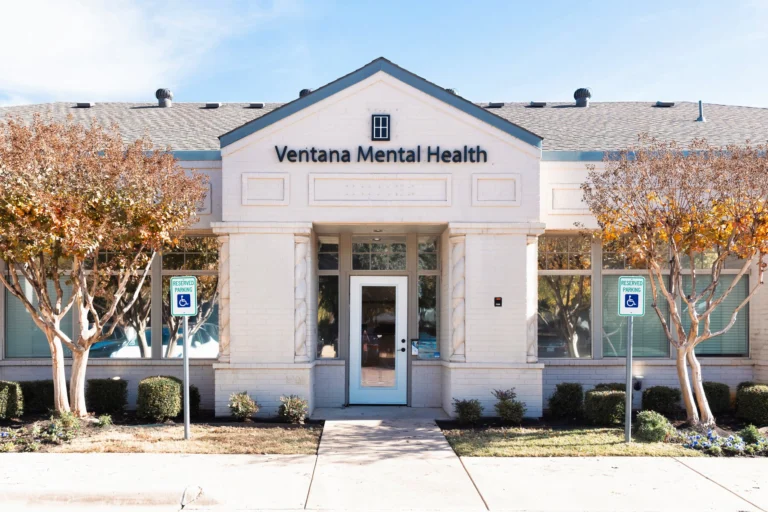
At Ventana Mental Health, our psychiatrists have extensive experience in treating neurodevelopmental conditions, including Autism Spectrum Disorder (ASD).
Specialized autism support services described on this page are educational examples and are not currently offered by Ventana Mental Health. Contact our team to discuss available psychiatric care.
For information about available psychiatric care, please contact our team during office hours.